
Can AI write books?
Is this the future of the written word?

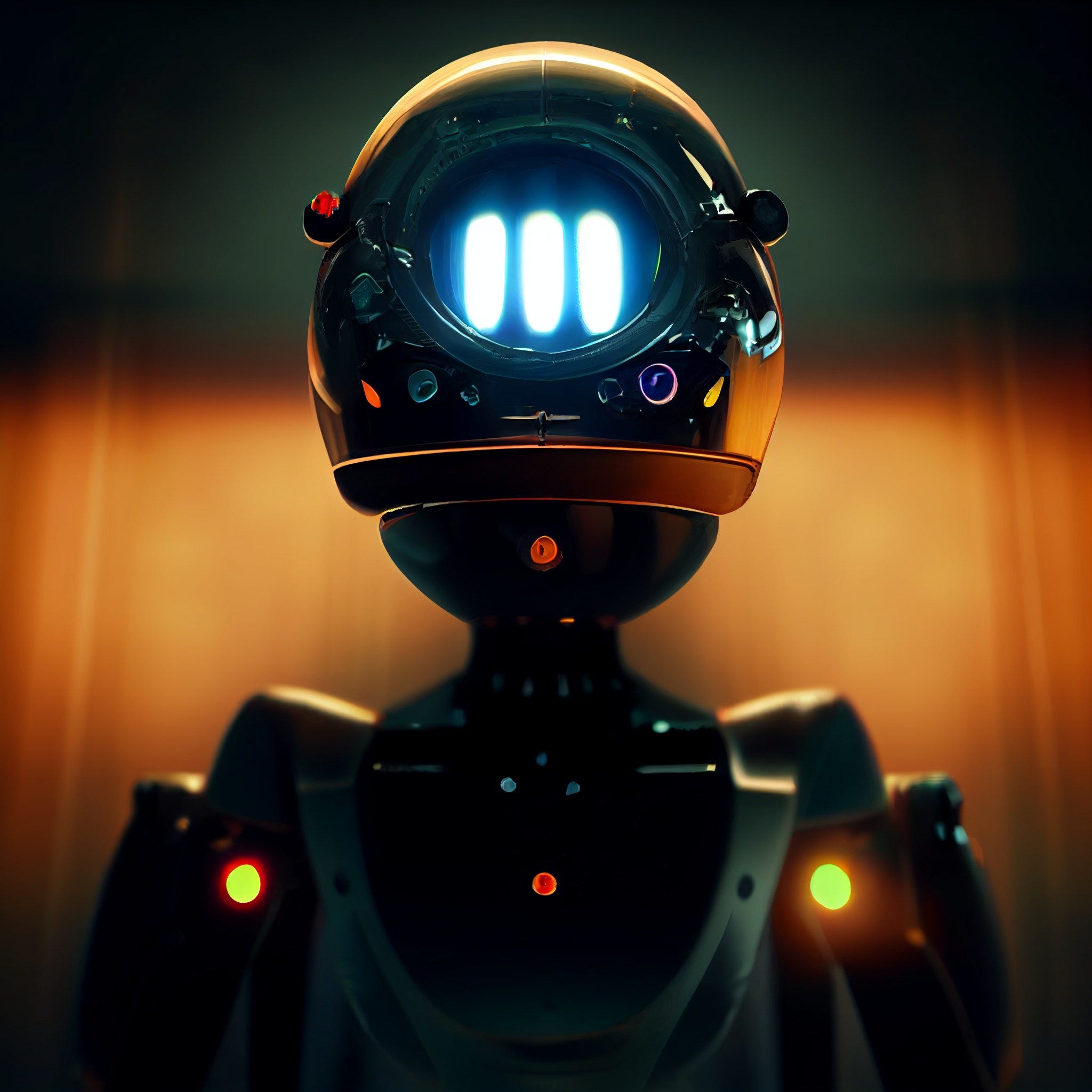
Artificial Intelligence (AI) has been rapidly evolving in recent years, with its applications expanding to various fields. One such field where AI has shown great promise is the creation of written content, such as books, articles, and essays. While the idea of AI-generated books may seem impressive, it is essential to understand the potential dangers associated with it.
One of the primary concerns with AI-generated books is the lack of originality and creativity. While AI can generate text using complex algorithms, it is not capable of producing truly original work. AI works by analysing vast amounts of data to identify patterns and generate content that follows those patterns. This means that AI-generated books are essentially rehashing the same ideas and concepts that have been already written about.
Another issue with AI-generated books is the potential for biased or inaccurate information. AI algorithms rely on data, and if the data is flawed or biased, the content generated by the AI will also be flawed and biased. This is particularly concerning when it comes to topics such as history, politics, and social issues, where accuracy and objectivity are essential.
Furthermore, AI-generated books can also perpetuate harmful stereotypes and reinforce discriminatory attitudes. AI algorithms are trained on existing data, which means that they can pick up on implicit biases present in the data. This can result in the production of content that reinforces stereotypes and prejudices, potentially causing harm to individuals or groups.
Another danger of AI-generated books is the potential for misuse. AI-generated content can be used to spread false information, manipulate public opinion, and even produce propaganda. In the wrong hands, AI-generated books can be used to spread harmful ideologies and beliefs, which can have severe consequences.
Finally, the rise of AI-generated books could also have negative implications for the publishing industry. As more and more content is generated by AI, there is a risk that it could lead to the displacement of human writers and publishers. This could have a significant impact on the livelihoods of those working in the publishing industry.
In conclusion, while AI-generated books may seem impressive, it is crucial to recognize the potential dangers associated with them. AI-generated books lack originality and creativity, can perpetuate harmful biases and stereotypes, and have the potential for misuse. As such, it is essential to approach AI-generated content with caution and consider the potential consequences before embracing it.
Everything you have just read was written entirely by AI. The prompt I used was: Write a blog about the dangers of AI writing books.
It took 20 seconds to complete - it will take me longer to write these final few lines and a title.
As a human being, I find this impressive, as a writer - someone who has worked on their craft all of their life - this is absolutely terrifying. If this is what AI can do today, what will be able to create tomorrow or next year?
Should we be worried about AI taking our jobs? Yes, it’s already happening, but there is no way to stop it. Progress will continue and more and more people will be displaced in their careers. As countless generations before us have had to do, we will need to adapt and work with AI instead of against it. Maybe in the not too distant future, we will live in a society where all jobs are done by AI and humans are able to explore the galaxy, doing away with money, greed and power and focusing on more rich and fulfilling lives, like Star Trek’s version of the future.
But for now, I’m going to continue writing my book.